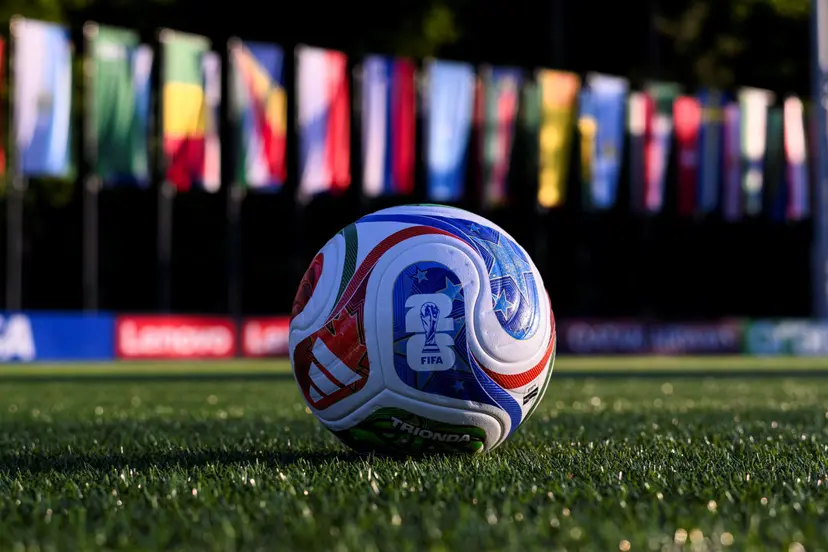
The FIFA World Cup 2026 is set to revolutionize global football, bringing an unprecedented scale and excitement to North America. If you’re looking for the latest FIFA World Cup 2026 updates, this guide provides a comprehensive overview of the tournament’s groundbreaking format, host cities, and what fans can expect. We’ll delve into how the expanded competition will impact teams and players, offer insights into the fan experience, and provide crucial information to help you prepare for this monumental event. Get ready to explore the future of the world’s most beloved sport.
Key Takeaways for FIFA World Cup 2026:
- Expanded to 48 teams, featuring 104 matches across 16 host cities.
- Co-hosted by Canada, Mexico, and the United States, marking a historic collaboration.
- New group stage format promises more diverse matchups and increased competitiveness.
- Early planning for tickets and travel is crucial due to high demand and widespread venues.
What’s New with the FIFA World Cup 2026 Format?
The biggest change for the FIFA World Cup 2026 is its expansion to 48 participating nations, a significant leap from the previous 32-team structure. This expansion introduces a new competition format, moving from eight groups of four to twelve groups of four teams. This adjustment increases the total number of matches from 64 to an astounding 104, promising more football action than ever before.
Following the group stage, the top two teams from each group, along with the eight best third-placed teams, will advance to a new Round of 32. This revised knockout structure ensures that every match carries immense weight, intensifying the competition from the outset. For a detailed breakdown of the format changes, you can consult the official FIFA World Cup 2026 competition format overview.
Where Will the Action Unfold? Host Cities and Venues.
For the first time in history, the FIFA World Cup will be co-hosted by three nations: Canada, Mexico, and the United States. This monumental undertaking involves 16 vibrant host cities across North America, each preparing to welcome millions of fans and athletes. In Canada, Vancouver and Toronto will serve as host cities, showcasing their modern stadiums and diverse cultures.
Mexico will contribute three iconic cities: Mexico City, Guadalajara, and Monterrey, bringing their rich football heritage and passionate fan bases to the forefront. The United States leads with eleven host cities, including major metropolitan areas like New York/New Jersey, Dallas, Miami, Los Angeles, and Atlanta. These cities offer a vast array of world-class stadiums and hospitality infrastructure, ensuring a memorable experience for all attendees.
How Will the Expanded Tournament Impact Teams and Players?
The shift to 48 teams opens up opportunities for more nations to participate on football’s biggest stage, fostering global development and excitement. While this democratizes access, it also presents new challenges for teams and players. The increased number of matches will demand greater squad depth and robust physical conditioning to navigate the extended tournament schedule.
Coaches will need to adapt their strategies, potentially rotating players more frequently to manage fatigue and prevent injuries. The expanded competition means more intense qualification campaigns and a broader field of contenders, making every victory a hard-fought achievement. Players will face unparalleled pressure and the chance to make history in this unique format.
Preparing for the Global Stage: Qualifying Rounds and Team Prospects.
As qualification rounds continue across confederations, national teams are intensely battling for their spots in the expanded 2026 tournament. The increased allocation of qualification slots means that traditional powerhouses will still compete fiercely, but there’s also a significant chance for emerging football nations to shine. Fans are eagerly watching these preliminary matches, anticipating which new teams might surprise the world.
Navigating the Fan Experience: Tickets, Travel, and Local Culture.
Attending the FIFA World Cup 2026 will be an extraordinary experience, but it requires careful planning. Early registration for ticket updates and pre-sale opportunities through official FIFA channels is highly recommended as demand will be exceptionally high. Given the vast geographical spread of the host cities, fans should consider their travel logistics well in advance, whether planning to visit multiple venues or focusing on one region.
Each host city offers a unique cultural backdrop, from the vibrant energy of Mexico City to the cosmopolitan flair of Toronto and the diverse attractions of American metropolises. Beyond the matches, fans can immerse themselves in local cuisines, historical sites, and specially organized fan zones. The tournament is set to be a massive celebration of football and the rich cultures of the host nations.
Economic Impact and Legacy: Beyond the Pitch.
The FIFA World Cup 2026 is projected to generate substantial economic benefits for the host countries, with estimates suggesting billions of dollars in economic activity. For instance, a study by the Boston Consulting Group estimated the 2026 World Cup could generate over $5 billion in short-term economic activity for North America, creating tens of thousands of jobs and boosting tourism. This impact extends beyond the immediate tournament, as infrastructure improvements, increased global visibility, and a surge in local football participation contribute to a lasting legacy. Host cities are investing in public transport upgrades, venue enhancements, and sustainable initiatives, ensuring long-term community benefits.
As the countdown to 2026 continues, staying informed about the latest FIFA World Cup 2026 updates is key to making the most of this historic event. Whether you’re a passionate supporter planning to attend or an armchair analyst following every development, prepare for a tournament that promises to redefine global football with its expanded format, diverse host cities, and unparalleled excitement. Start planning now to be part of history.
Don’t Miss a Single Goal ⚽
Match updates, transfers & breaking news — straight to your inbox


6 thoughts on “FIFA World Cup 2026: Your Essential Guide to the Expanded Tournament”
Comments are closed.