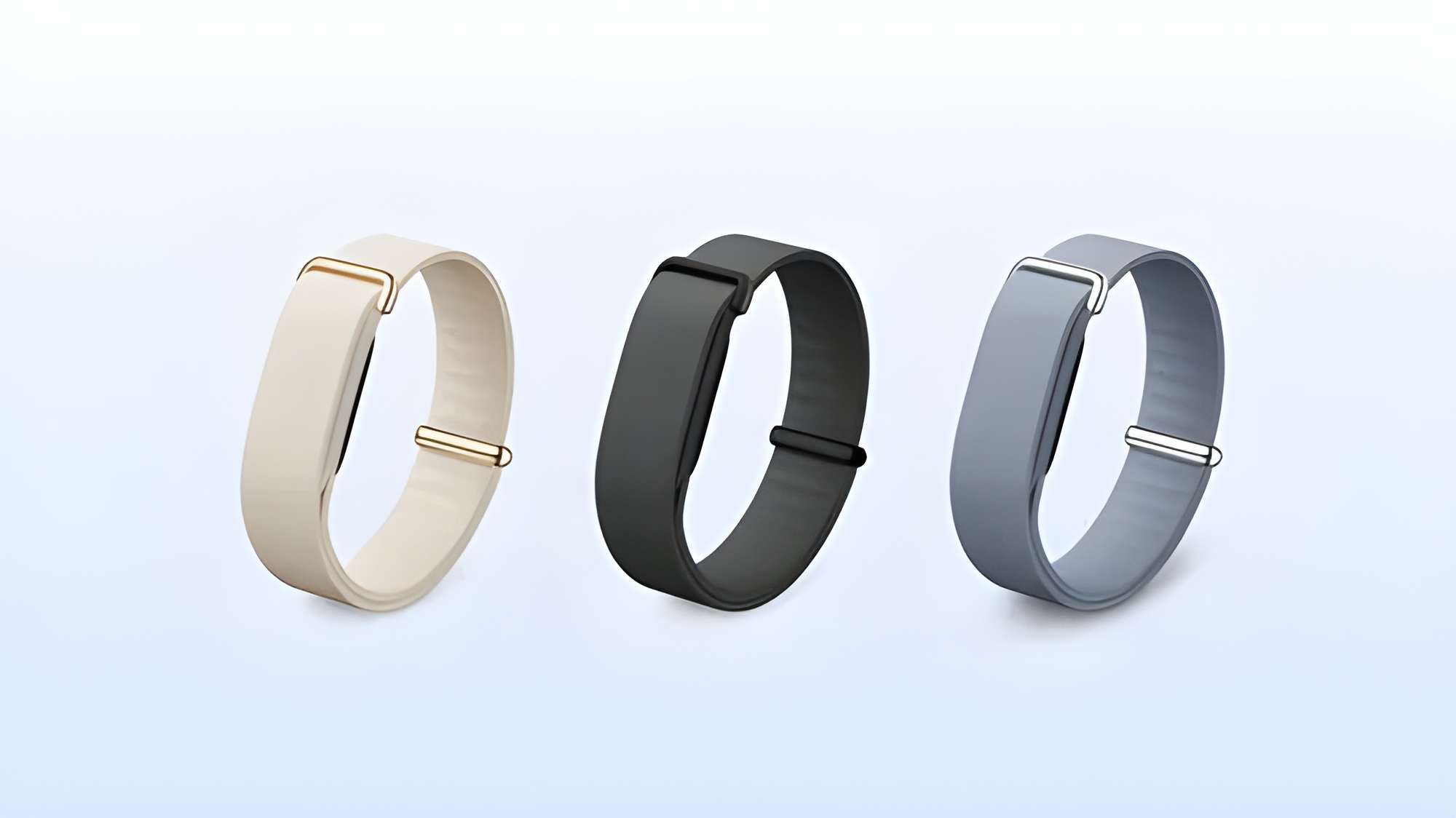

Google may be preparing a major shift in wearable technology with the rumored Fitbit Air, a lightweight screenless fitness tracker designed for users who want health tracking without the distractions of a smartwatch.
According to early industry reports and supply-chain speculation, the Google Fitbit Air could become the company’s most minimalist wearable yet. Unlike traditional fitness bands packed with notifications and apps, the upcoming Fitbit Air tracker is expected to focus entirely on wellness metrics, comfort, and long battery life.
A Screenless Approach to Fitness Tracking
The rumored Fitbit Air screenless fitness tracker may remove the display entirely, replacing it with subtle LED indicators, vibration alerts, and smartphone integration through the Fitbit mobile app.
Industry analysts believe this move reflects growing consumer demand for “low-distraction” tech products. As smartwatches become increasingly complex, many users are looking for devices that track health data quietly in the background without constant notifications.
Sources suggest the Fitbit Air could track:
- Heart rate monitoring
- Sleep analysis
- Step counting
- Stress and recovery metrics
- Workout detection
- Blood oxygen trends
Without a display-draining power, the tracker could reportedly deliver several weeks of battery life on a single charge.
Designed for Comfort and Simplicity
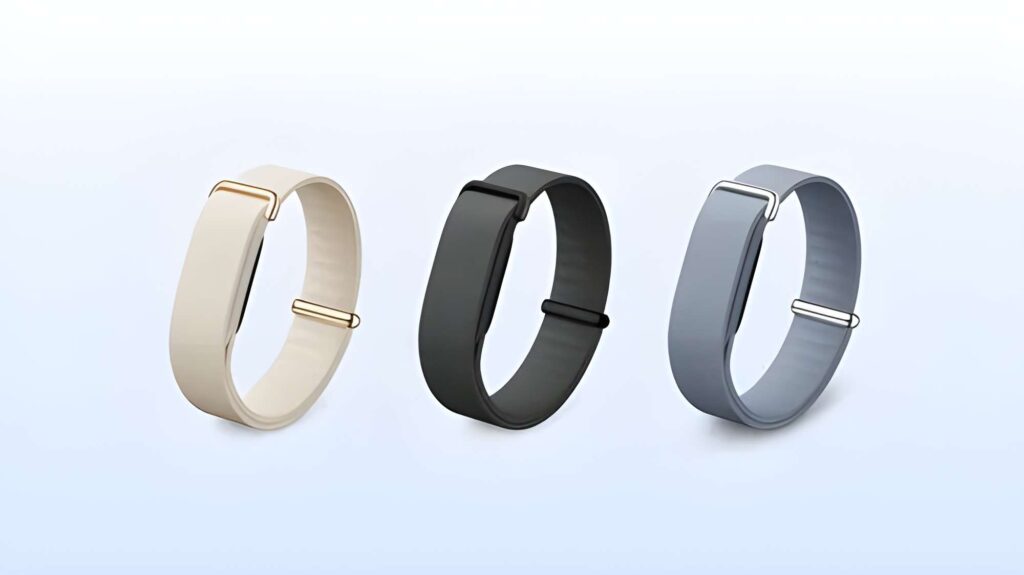
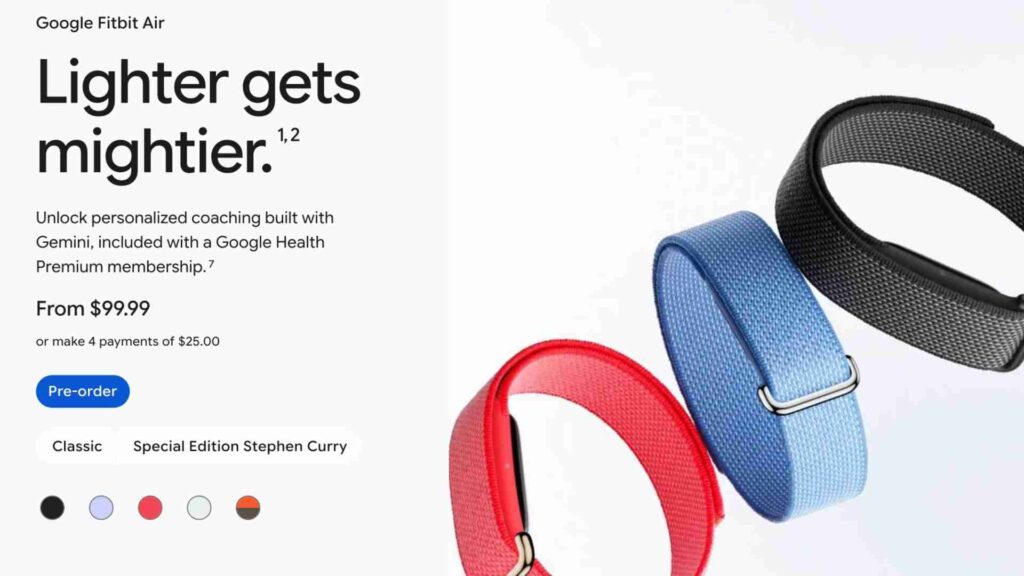
Leaks indicate the Fitbit Air may feature an ultra-lightweight silicone band with interchangeable straps and water resistance aimed at all-day wear. The minimalist design could appeal to users who dislike bulky smartwatches or visible screens during workouts and sleep.
The wearable is also rumored to integrate deeply with Google’s AI-powered health ecosystem, potentially offering personalized wellness insights through the Fitbit app.
Competing in a Growing Market
The screenless wearable category has gained momentum recently as consumers seek more discreet health-tracking solutions. Devices like smart rings and passive fitness trackers have seen increasing popularity among users focused on wellness rather than notifications.
If launched, the Fitbit Air tracker could position Google to compete directly in this emerging category while expanding Fitbit’s product lineup beyond traditional smartwatches.
Launch Timeline Still Unclear
Neither Google Fitbit nor Google has officially confirmed the existence of the Fitbit Air. However, tech insiders expect more details to emerge later this year, possibly during a major hardware event.
If the rumors prove accurate, the Fitbit Air could represent a new direction for wearable technology — one where less screen time becomes a feature rather than a limitation.
Why the Fitbit Air Could Matter
The rumored Fitbit Air arrives at a time when many consumers are rethinking their relationship with technology. While smartwatches have evolved into powerful mini-computers, some users are experiencing “notification fatigue” from constant alerts, messages, and app updates.
A screenless tracker could offer a more balanced approach by focusing only on essential health data. Analysts believe this category may appeal particularly to:
- Fitness enthusiasts wanting distraction-free workouts
- Professionals seeking less screen exposure during the day
- Users interested in sleep and recovery tracking
- People transitioning away from bulky smartwatches
- Minimalist tech consumers
Experts also note that wearable devices are increasingly shifting toward passive health monitoring rather than active interaction. Instead of demanding attention, future wearables may work silently in the background while delivering meaningful insights through AI-powered mobile apps.
Potential AI Features
Because the Fitbit ecosystem is now closely integrated with Google services, the Fitbit Air could potentially include advanced AI-driven wellness tools. These may include:
- Personalized fitness recommendations
- Sleep quality coaching
- Stress trend analysis
- Adaptive activity goals
- Recovery readiness scores
- Health summaries generated by AI
Such features could help differentiate the Fitbit Air from traditional entry-level fitness bands.
Industry Reaction
Early reactions from the tech community suggest strong interest in the concept. Several wearable industry observers believe the Fitbit Air could help revive Fitbit’s identity as a health-first brand rather than a smartwatch competitor.
Some analysts compare the product strategy to the rise of minimalist smartphones and distraction-free digital devices, which have gained popularity among consumers seeking healthier tech habits.
However, questions remain about pricing, sensor accuracy, and whether consumers are ready to adopt a wearable without a display.
The Future of Wearables
If successful, the Fitbit Air may signal a broader industry trend toward invisible technology — devices that collect useful information without constantly competing for user attention.
As health tracking becomes more advanced, companies may increasingly prioritize comfort, battery life, and passive monitoring over larger displays and app ecosystems.
For now, the Fitbit Air remains unofficial, but anticipation is already building around what could become one of the most unusual wearable launches from Google Fitbit in recent years.